


Premieres March 7, 2027
8:00 PM
Who Was Gene Stratton-Porter
Geneva “Gene” Stratton-Porter was born August 17, 1863, in tiny Lagro, Indiana, the 12th and final child of Mary and Mark Stratton, a farmer and country preacher. Guided by her parents and older brother Leander (“Laddie”), Gene grew up with a strong love for nature. Her passion for wildlife led her to become a pioneer as a nature writer, as well as a photographer, filmmaker and activist. As someone whose life was nearly inseparable from nature, Gene's efforts to bring light to the environment's importance took many forms.
As a photographer, Gene made strides as one of the first widlife photographers in America, setting several milestones that would eventually standardize the art. As an author, Gene wrote 12 novels, 8 nonfiction nature studies, and books of poetry and children's literature, all of which guided her readers to experience the natural environment. Many of her works center on the Limberlost Swamp area of northeastern Indiana, one mile from the home she built with her husband, Charles Dorwin Porter, and their only daughter, Jeannette. Several of her beloved novels, such as The Song of the Cardinal, Freckles, A Girl of the Limberlost, and The Harvester, all take place within the wilds of the Limberlost. As well, several of her nonfiction nature studies, such as The Moths of the Limberlost and Music of the Wild, also take readers on a journey through the wildlife “laboratory” that Gene hiked through, studied and photographed on a weekly basis.
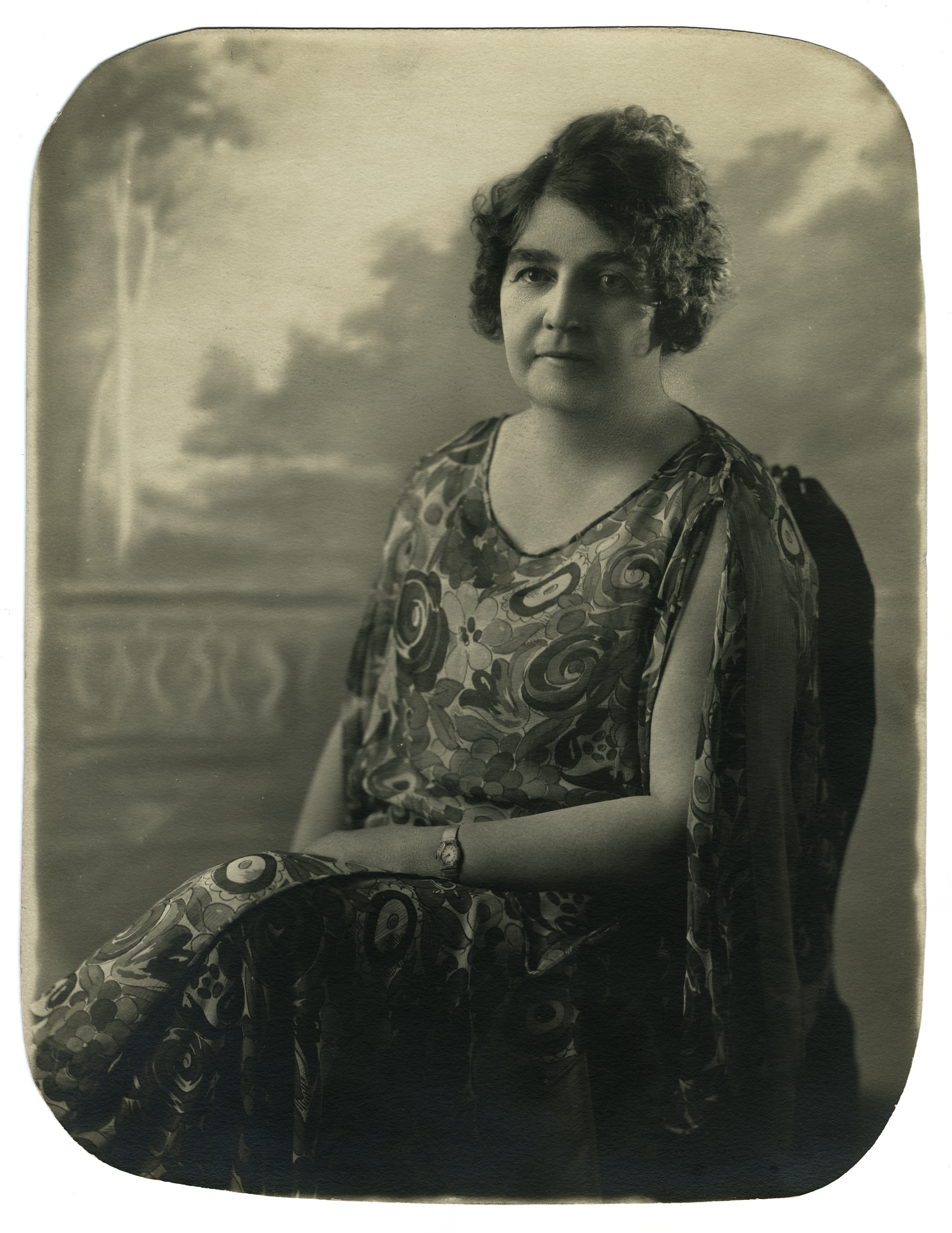
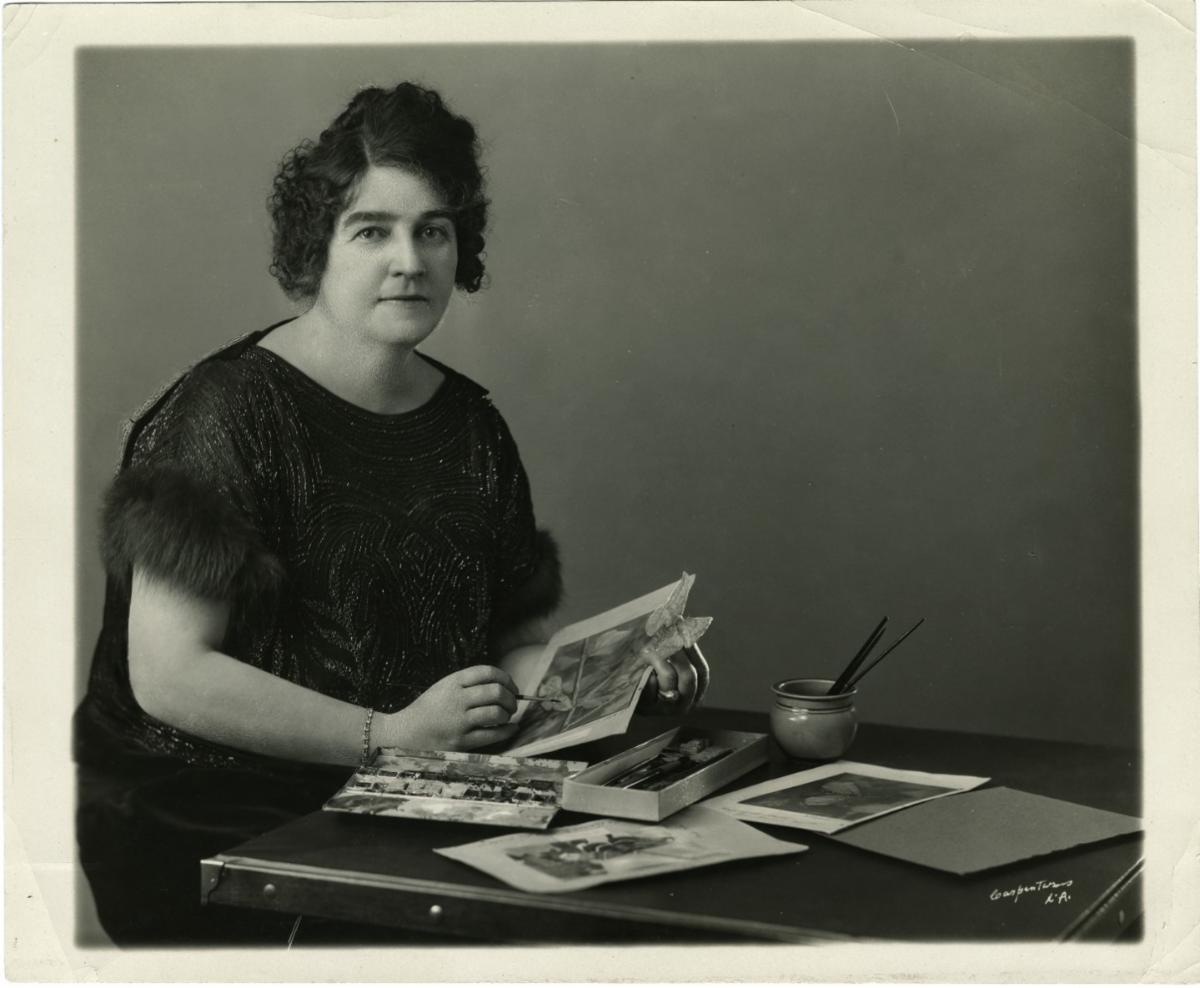
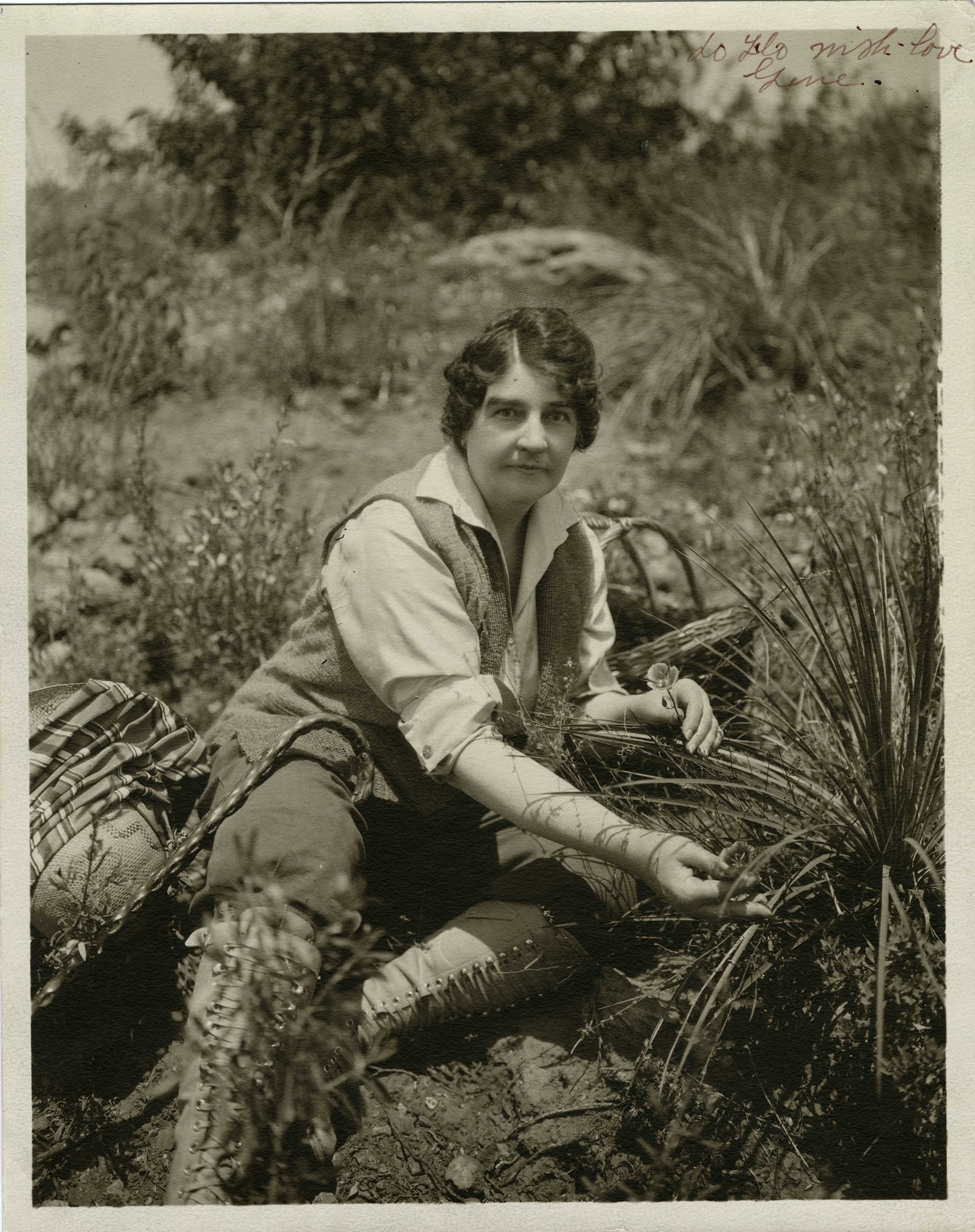
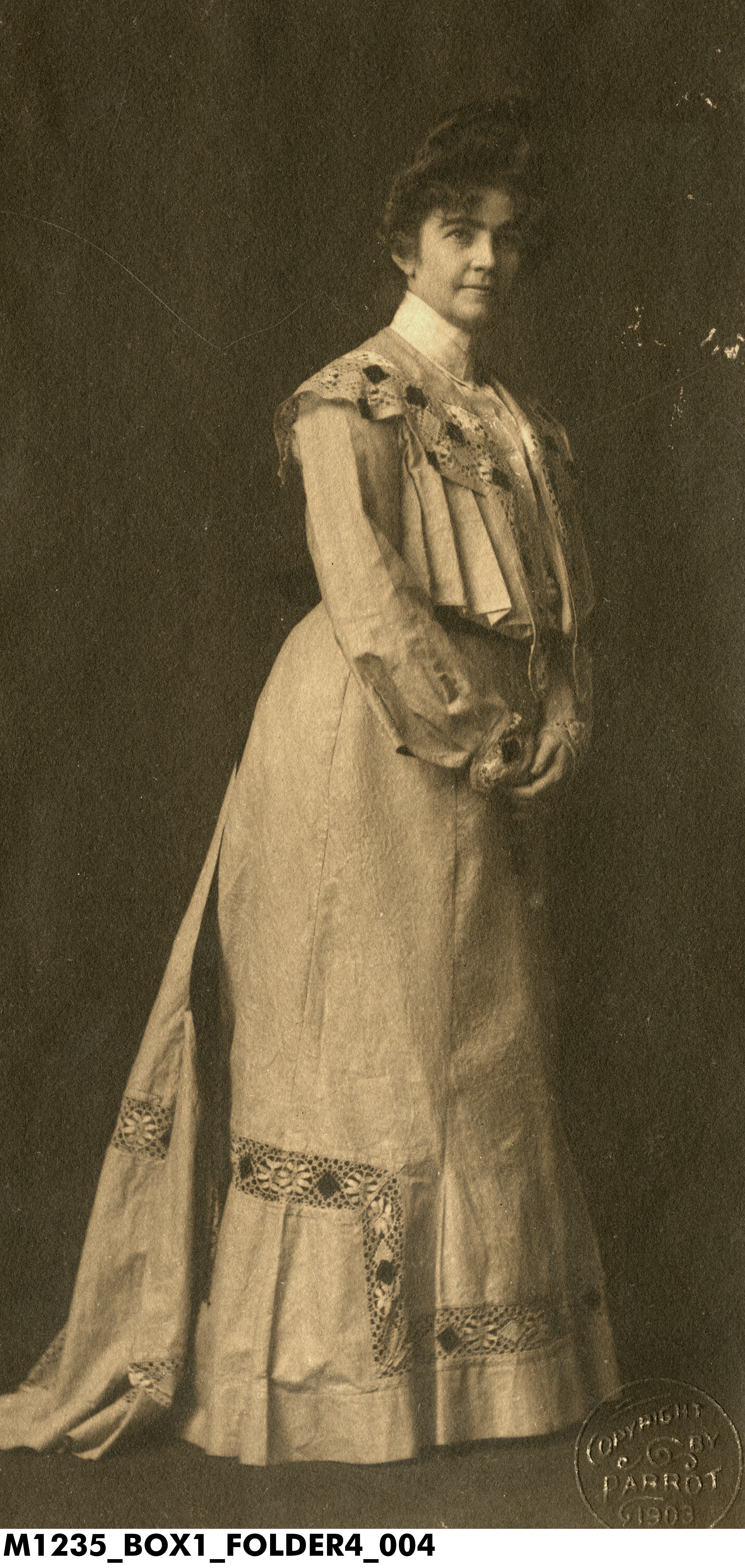
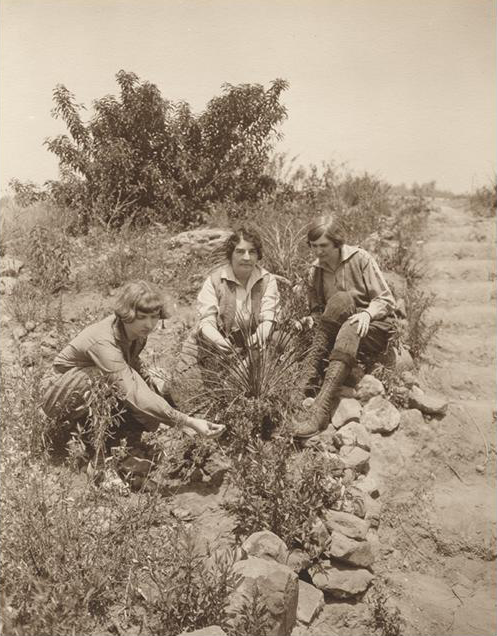
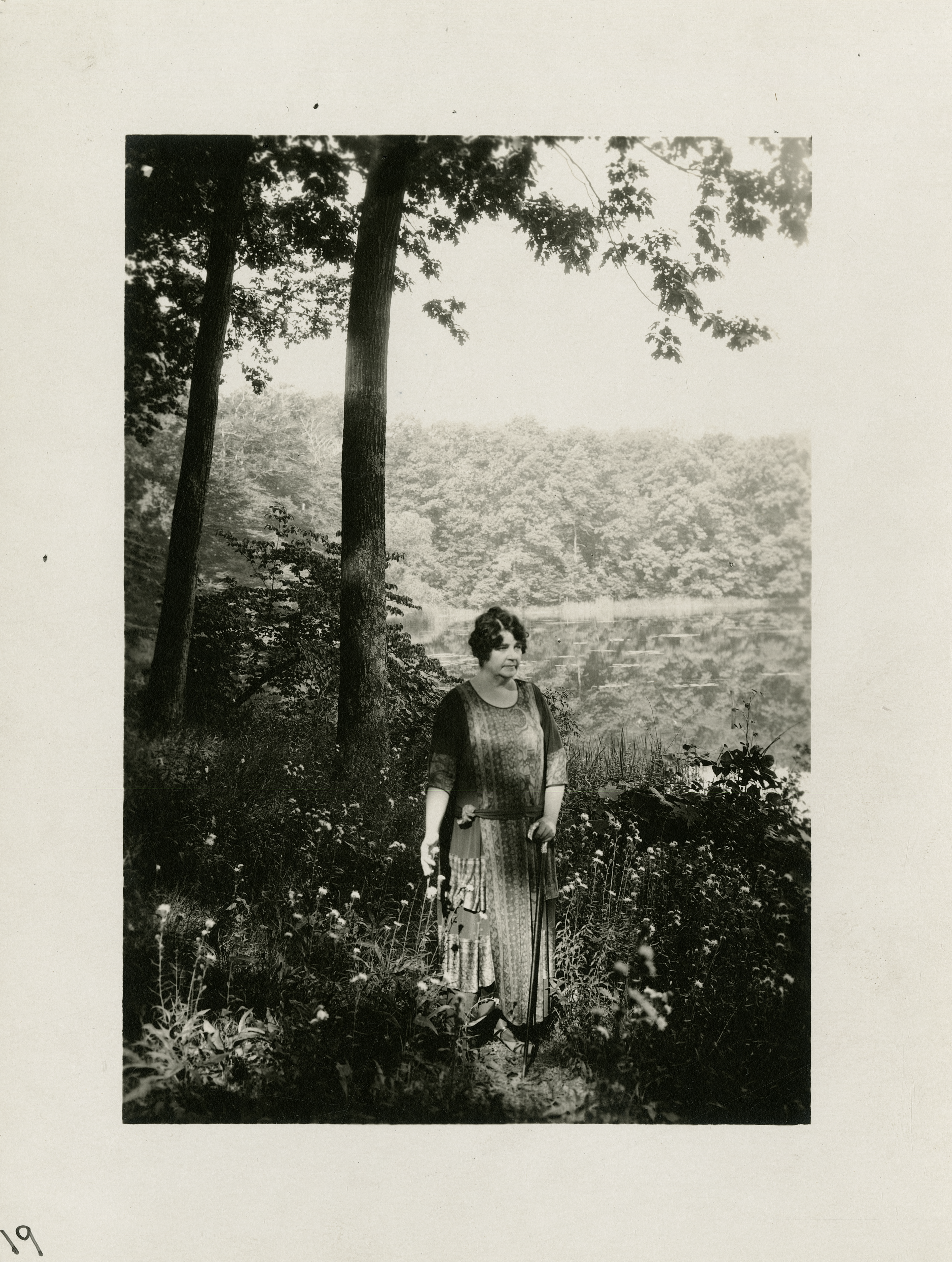
By the 1920s, Gene's interests extended into filmmaking, and her career as a Hollywood studio owner and operator introduced new audiences to the wilderness through movie adaptations of her books, setting an additional milestone as one of the first female movie producers in Hollywood. As an activist, Gene Stratton-Porter fought for wildlife conservation efforts through her involvement in the Izaak Walton League of America (IWLA), as well as women's rights in several industries dominated by men.
Gene Stratton-Porter died tragically in a vehicle accident in December 1924 at the height of her popularity as one of the most successful and famous women in America. She has been compared to President Theodore Roosevelt, the most ardent of the nation's environmental political leaders. In comparing her to the President, once critic noted, “She is a public institution, like Yellowstone Park.” The new WTIU/PBS documentary Gene Stratton-Porter: Music of the Wild retraces her life and tremendous accomplishments.