
-
 Under the new law, SEA 324, if someone intends to deliver a drug with less than one gram of fentanyl, it’s now a Level 4 felony, which can mean up to 12 years in prison. More than a gram means higher penalties.
 -
 The rate of drug overdose deaths fell about 4% across the country from 2022 to 2023, including in many parts of the Midwest, according to a February report from the Centers for Disease Control and Prevention.
 -
 Indiana law classifies tools that test the strength, effectiveness, or purity of a controlled substances as paraphernalia. The Senate passed legislation to clarify tools that check for the presence of a substance would no longer be considered paraphernalia.
 -
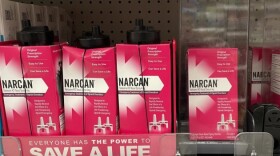 A free online program aims to teach Indiana residents how to use Naloxone –– also known by its brand name Narcan –– a life saving medication to reverse opioid overdoses.
 -
 Overdose Lifeline distributed more than 170,000 test strips in 2023. Advocates said they are more interested in saving lives than "getting held up on those gray areas" – which is where the legality of the test strip exists in Indiana code.
 -
 The presence of xylazine didn’t have the same criminal liability that substances like fentanyl had because it wasn’t considered a controlled substance. The new law closed, what some lawmakers called, a "loophole."
 -
A bill to decriminalize fentanyl test strips is likely dead after it didn't receive a committee hearing in the Senate.
-
 HB 1053 removes the parts of Indiana law that classifies tools for “testing the strength, effectiveness, or purity of a controlled substance” as controlled substance paraphernalia.
 -
 Overdose deaths among teenagers have skyrocketed — largely due to fentanyl.
 -
 Since last June, almost 90 school districts across the state have participated in a program that teaches school staff how to identify drug overdoses and administer naloxone.

© 2026. The Trustees of Indiana University
Copyright Complaints
1229 East Seventh Street, Bloomington, Indiana 47405
Copyright Complaints
1229 East Seventh Street, Bloomington, Indiana 47405
News, Arts and Culture from WFIU Public Radio and WTIU Public Television
Play Live Radio
Next Up:
0:00
0:00
Available On Air Stations


