



-
 We’re continuing our series on music in and about the Americas during the first centuries of European colonization with a focus on Northern New Spain. Join us as we explore the musical legacies of Spanish outposts from modern-day California and Mexico through the Gulf Coast and Caribbean Islands.


More
-
 The traditionally dark fur of the howler monkey is starting to get light yellow patches. Scientists look into why this is happening.

-
 New Albany promoted itself as the "real head of navigation on the Ohio-Mississippi system". But merchants never realized their steamboat dreams.
 -
 As summer transitions into fall, we usually rely on mums and asters to give us color as the growing season wanes. But here are some other reliable bloomers.
 -
 In 1840, Indiana's population was so concentrated in the south that one-half of the settlers lived within seventy-five miles of the Ohio River.
 -
 Join the unofficial start of the Fall fund drive. Tonight, your pledge is matched, dollar for dollar.
 -
 Poet Raisa Tolchinsky reads from her book Glass Jaw: "Purgatory," "From July until September," and "Within those fires there are souls."
 -
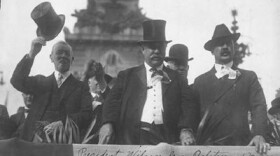 Two groups in particular saw a golden opportunity in Indiana's centennial celebration: conservationists and the good roads movement.
 -
 A deep dive into a relatively frivolous facet of The Great American Songbook.
 -
 A look at the things that over time have come to be seen as disposable, and the things that have proven durable.
 -
 The yellow and orange colors of the glads we have today came from the genetic legacy of a variety called Gladiolus primulinus.
 -
 An epic tale by a Civil War general spawned a marketing frenzy that set a precedent for the commercial campaigns accompanying every blockbuster movie today.


